Traducciones Literarias - Ejemplos
Como complemento a nuestra unidad sobre traducción literaria, compartamos ejemplos de algunas de nuestras traducciones literarias favoritas. Si es posible, compartiremos una copia del TO y del TM. De lo contrario, podemos dar información sobre cómo adquirir o solicitar copias de la traducción. Luego, al recomendar la traducción, podemos hacerlo compartiendo algunas reflexiones iniciales o llevando a cabo un análisis más profundo.
Recomendando Traducciones Literarias del Español al Inglés
Recomendaremos traducciones en el canal de Teams llamado TradLit Recomendaciones. Un formato sugerido para sus publicaciones es:
Asunto: Título ilustrativo para su recomendación
Análisis por: Sus nombres
Descripción del TO: Breve descripción de la obra literaria, la trama, el género,
y el tipo de convenciones lingüísticas utilizadas
Por qué les gusta particularmente la traducción: Sus ideas aquí :)
Adjuntos:
- Texto Origen y Texto Meta (si es posible)
- Cualquier contexto o análisis adicional que apoye su recomendación
Una nota sobre la nomenclatura de archivos
Por favor sean organizados con los archivos que comparten con nosotros. Deberíamos poder entender fácilmente el contenido de cada archivo a partir del nombre del archivo.
Convenciones Sugeridas para Nomenclatura de Archivos
- Textos origen:
Apellido(s)Autor(es)_TítuloAbreviado_TO - Textos meta:
Apellido(s)Autor(es)_Apellido(s)Traductor(es)_TítuloAbreviado_TM - Análisis/Contextos:
Apellido(s)Autor(es)_TítuloAbreviado
Por ejemplo:
Paz_MonoGramático-Capítulo_TO.pdfPaz_Lane_MonkeyGrammarian-Capítulo_TM.pdfBrandt_MonoGramáticoDeconstruccionista.pdf
Recomendaciones Multilingües Bienvenidas
Pueden compartir sus recomendaciones en el idioma que prefieran: español, inglés, francés, o adicionales.
¡Esperamos conocer sus traducciones favoritas!
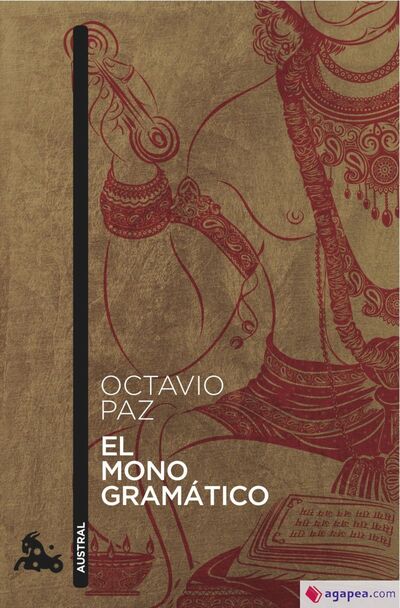
Recomendación: El mono gramático de Octavio Paz y The Monkey Grammarian de Helen R. Lane
| Edición en español | Edición en inglés |
|---|---|
 |
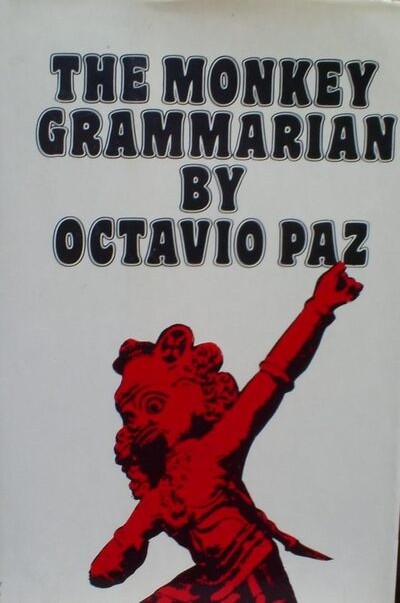 |
Portadas de El mono gramático de Octavio Paz y la traducción al inglés del español mexicano de Helen R. Lane, The Monkey Grammarian.
Asunto: The Deconstructionist Monkey Grammarian: Writing and Reading in Octavio Paz’s El mono gramático and Helen R. Lane’s Translation
Analysis por: Alaina Brandt
Description of the ST: “In El mono gramático, Octavio Paz tests the limits of language and confronts and challenges the traditional use of metaphor, analogy and other literary conventions. Remarkably, Paz carries out this rebellion through the use of those same devices, blurring the traditional borders assumed to exist among writers, readers and texts. In the book, Paz recalls travelling on a path to Galta. However, this journey is superimposed by another—a journey in which the text itself is likened to a path through which both writer and reader must pass.” (Brandt, 2012)
Why you particularly like the translation: I’m drawn to El mono gramático and Lane’s translation because they embody the very instability of meaning I find compelling in deconstructionist theory. Paz’s text refuses to let language settle into fixed meanings—his exploration of fijeza as “siempre momentánea” demonstrates how even attempts to capture stability dissolve into metaphors of metaphors, with meaning perpetually deferred. Lane doesn’t merely reproduce Paz’s Spanish but creates her own intimate reading, one that sometimes amplifies his ideas through subtle shifts, reinforcing the spatial-temporal confusion Paz explores. Both writer and translator engage openly with translation’s “necessary impossibility”—Paz’s assertion that the grove of trees is “intraducible” while simultaneously being named, and Lane’s acceptance that no “monogamous relationship” exists between original and translation. What makes this relationship particularly compelling is how each text performs deconstruction differently yet harmoniously, with Lane’s article choices suggesting completed transformations where Paz implies ongoing process, creating what Benjamin called not “reproduction but harmony.” Ultimately, both texts demonstrate that writing and reading are acts of traversing an impossible path toward meaning that can never fully arrive, yet the journey itself generates the echoes that make language—and translation—worthwhile.
Attachments:
- El mono gramático de Octavio Paz - Capítulo 9
- The Monkey Grammarian by Octavio Paz, Translated by Helen R. Lane - Chapter 9
- Brandt_DeconstructionistMonkeyGrammarian_2012.pdf
El último adjunto es un ensayo que escribí sobre El mono gramático, la teoría deconstruccionista, y la traducción como lectura y escritura.
¡Semana 14 Completa! La próxima semana exploraremos: La Ética en la Traducción